LEO
LEO built a better way to treat hair loss. We built the website that could prove it
What our client was facing
Joe Saks took over his family’s hair restoration business in 2020, building on a family history spanning more than 40 years in the hair loss industry. He transformed the business for the digital age — building an e-commerce operation that grew revenue more than 5x in three years.
Along the way, he spotted something hiding in plain sight. They were already supplying hair-loss medications to private clinics, but there was no consumer brand bringing that same expertise directly to the men who needed it.
That insight became LEO.
What LEO also spotted was that the treatment men were buying was barely reaching them. Minoxidil works at the follicle, but the way it gets applied — tipped onto the top of the head and rubbed in — means most of it lands on hair. The estimates put it at more than three quarters of every dose. Men have been paying for treatment, applying it faithfully for years, and washing the bulk of it down the plughole.
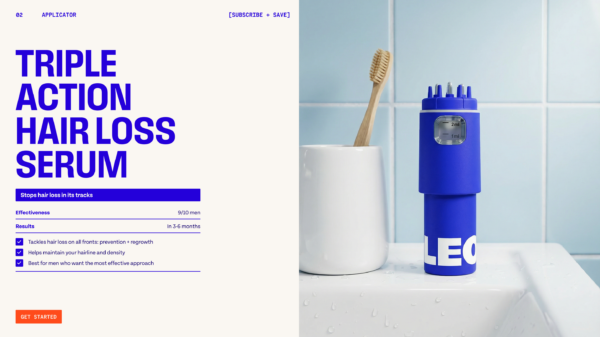
So LEO engineered an applicator that parts the hair and puts the solution on the scalp, where the drug actually works. A real advance, from people who had earned the right to make it.
Then came the harder question. How do you explain that to a thirty-two-year-old who has just noticed his hairline in a photograph and hasn't told anybody? The category he'd find waiting for him was all gym-fit models and careful clinical language, an industry quietly agreeing that hair loss is a thing you fix in private and never mention. A better applicator doesn't cut through that on its own. It needs a brand that talks to him like a person, and it needs somewhere to land.
Joe backed the harder route: build the brand around the man rather than the molecule, and build a website capable of carrying both the honesty and the science.

Our read of the situation
Creative Spark had already built LEO's brand on plain speech and real faces — men with freckles, tattoos and receding hairlines, shot on hard flash, no retouching, no promises of a new you. The website had to hold that nerve in the one place brands usually lose it: the part where you ask someone for money.
Two things had to be true at once. A man arriving cold needed to understand, in seconds, why LEO's applicator meant his treatment would work harder than the bottle he'd been using. And the whole journey — from that first realisation through a medical consultation to a recurring subscription — had to feel like being helped by someone who knows what they're talking about, not processed by a pharmacy.
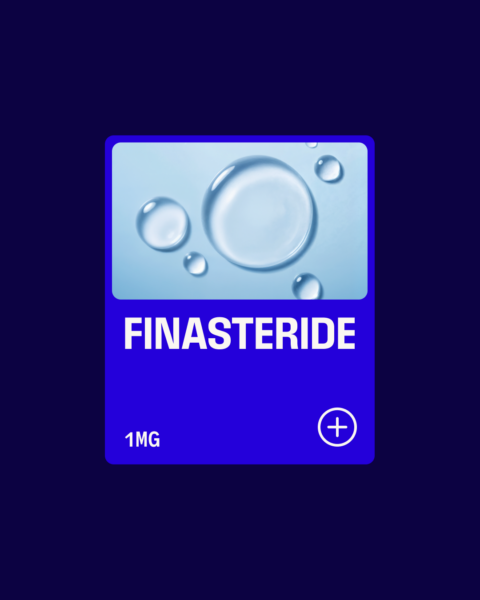
The consultation was the pinch point. It exists for clinical reasons and it can't be skipped, and it lands at precisely the moment a man is least certain about what he's doing. Get it wrong and it reads as a form. Get it right and it becomes the conversation he never had with anyone else.
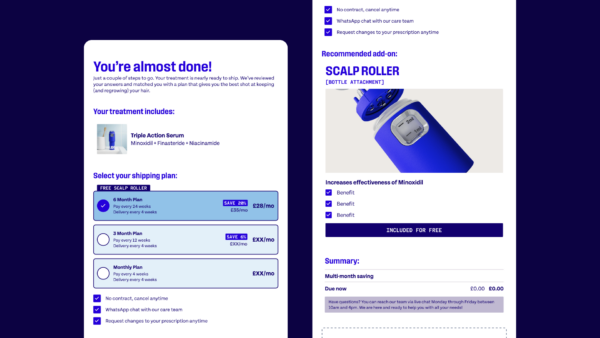
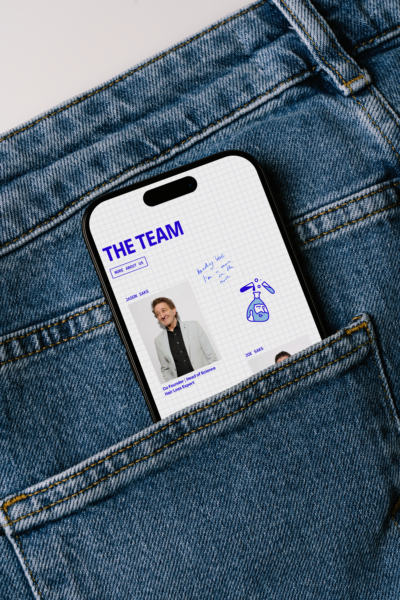
So our recommendation was to design the journey with the same behavioural craft the brand had been given: keep the questions clinical, but break them into digestible steps and thread confidence signals and genuinely useful facts through them, so the customer is learning and being reassured while he answers rather than filling in a form and hoping. And to treat mobile as the real product rather than a version of it — fewer taps, nothing important tucked behind a menu or shoved below the fold because the screen got narrower.
The work
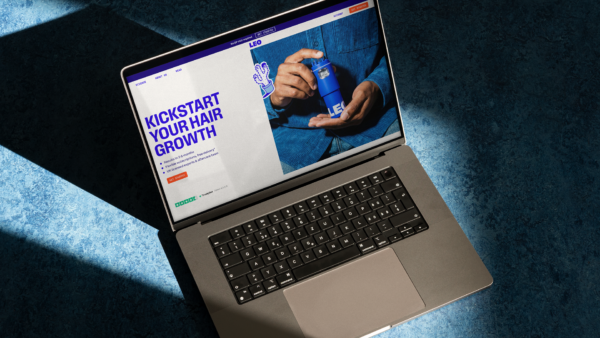
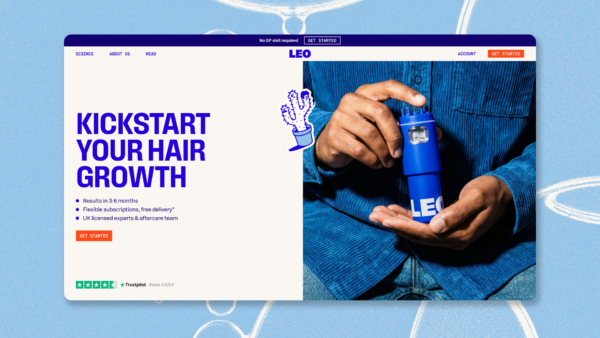
We designed a site that lets the applicator do its own talking — the mechanism shown and explained where a sceptical man will meet it, on the pages he lands on from paid search and from the pack itself.
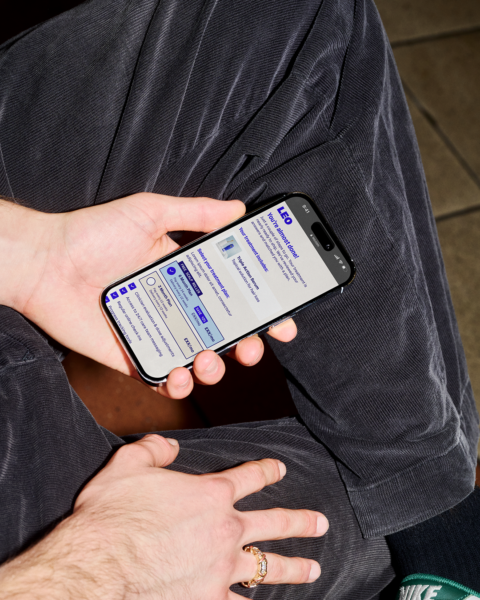
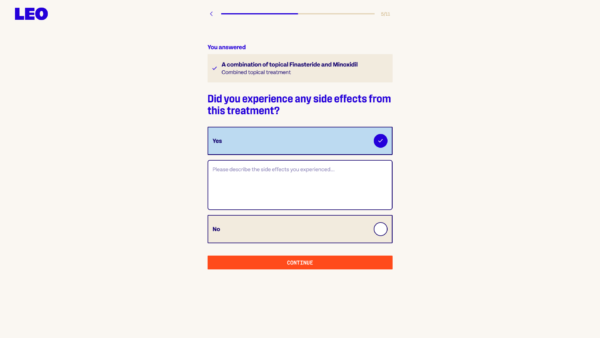
The consultation runs as a sequence of short, human steps rather than one long questionnaire, with facts and reassurance placed at the points where people hesitate. Every avoidable tap was taken out, and progress, primary actions and reassurance hold their place on a phone.
The whole thing was specified in detail and built with Bolland & Co, our technical partner, so what was designed is what shipped.
The business outcome / impact
LEO went to market with the brand, the product and the buying journey telling one story: this works better, and here's why, and nobody's going to make you feel strange for asking.
For a business with no shop and no sales team, that website is the entire commercial engine. It's also the reason the applicator is understood as an advance rather than an accessory.