8 Brands Worth Watching on Social Right Now
This blog was first published on 28 June, 2019. Updated 24 June 2026.
We update this blog every few years because the brands worth watching never sit still. This time round, eight made the cut: a mix of B2C spectacle, B2B reinvention, and one brand that’s running two completely different personalities on two different platforms.
1. Wonderskin
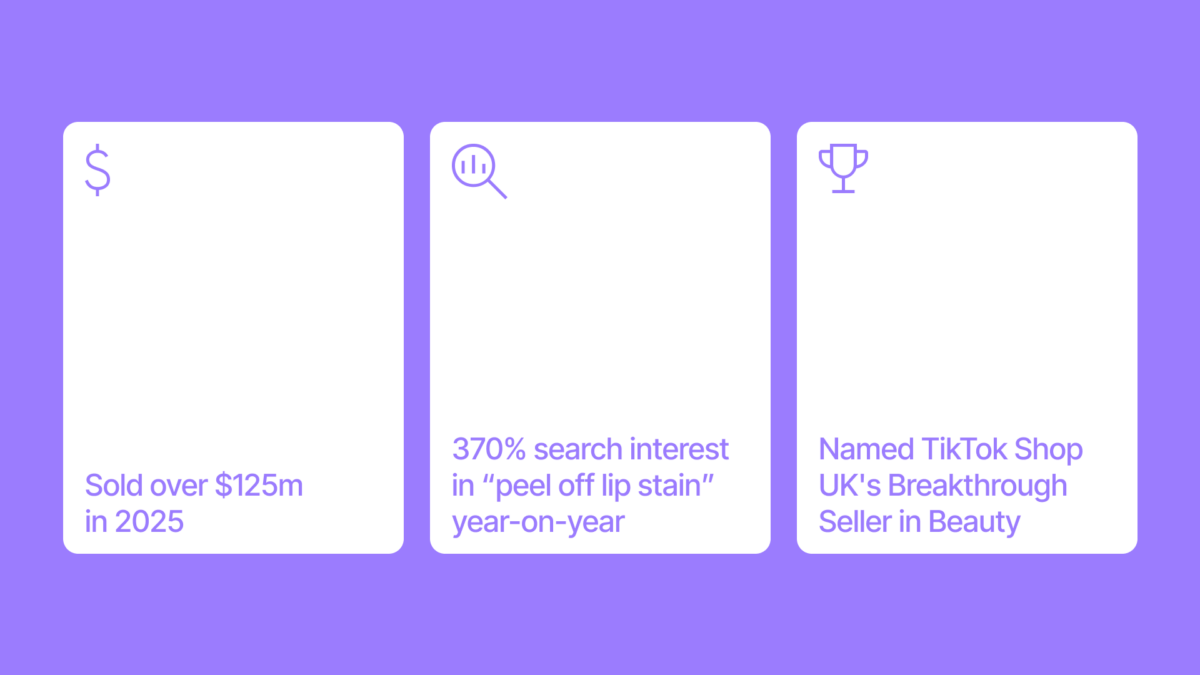
Wonderskin turned a peel-off lip stain into a $125m business using TikTok to create breakout demand, then used that demand to expand into retail and other channels. The Wonder Blading Stain has sold over 413,000 units on TikTok Shop UK alone, and revenue grew 300% across 2023 and 2024. Search interest in “peel off lip stain” is up 370% year on year. What’s worth noting isn’t the virality, it’s what came after it.
In September, Wonderskin ran a Super Brand Day that combined TikTok activity with out-of-home advertising and in-store retail on the same days. A brand that was built entirely on the scroll used that traction to buy itself a presence off it. That’s the harder trick, and the one most DTC brands never pull off.
Whoop is on this list for a different reason. Its social content is good: fitness and performance posts, but nothing that’ll win an award. What’s actually working is upstream of any of that: community is built into the product itself, with team features and member-led engagement inside the app. The social feed isn’t something the content team invented, but a window onto something the product team built. Worth remembering next time a brief asks for ‘better content’ when the real problem sits somewhere else entirely.
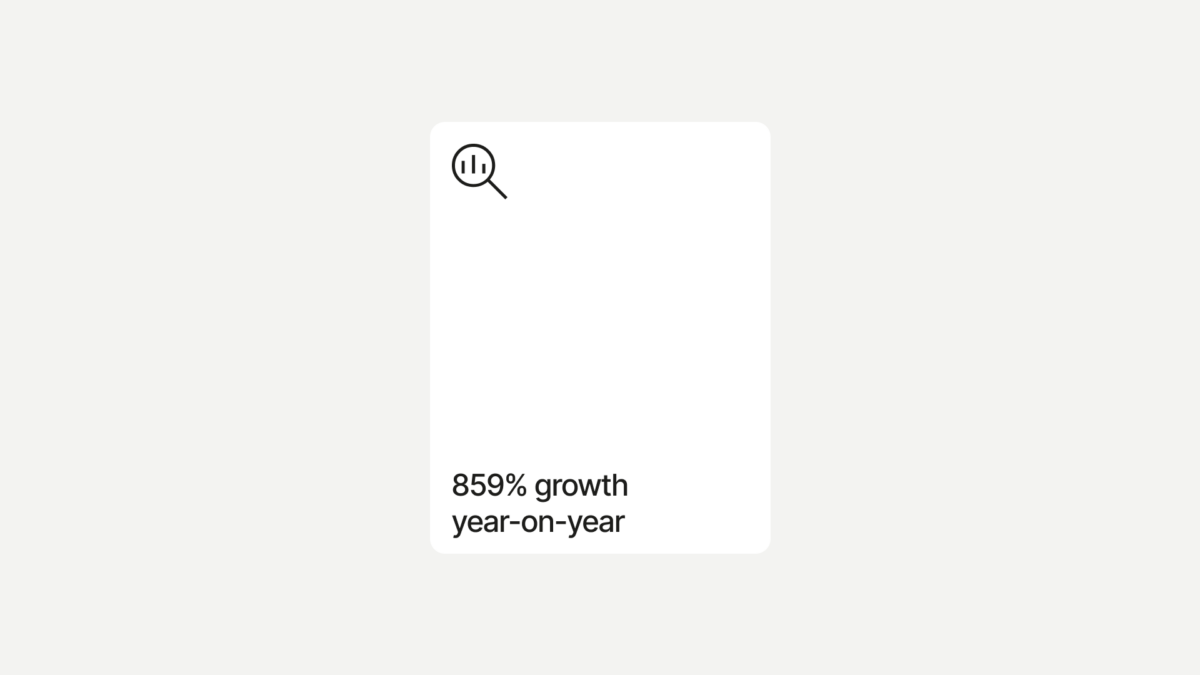
Manors Golf grew 859% year on year with zero paid media, and did it by refusing to look like a golf brand. The category default gives heritage, prestige, and manicured fairways. Manors went editorial and streetwear-adjacent instead, cinematic films shot in Scotland and the desert, more media company than apparel brand.
They’ve also started showing their working: a 23-slide carousel called ‘The 23 Manors Rules for Social’ pulled in 1,600 likes and laid out the team’s own operating principles, things like 90% of the work goes into the hook and energy beats production value. The most telling detail is the admission that they used to be far more polished before deliberately roughing the aesthetic up. Knowing when to undo your own consistency is a harder call than building it in the first place.
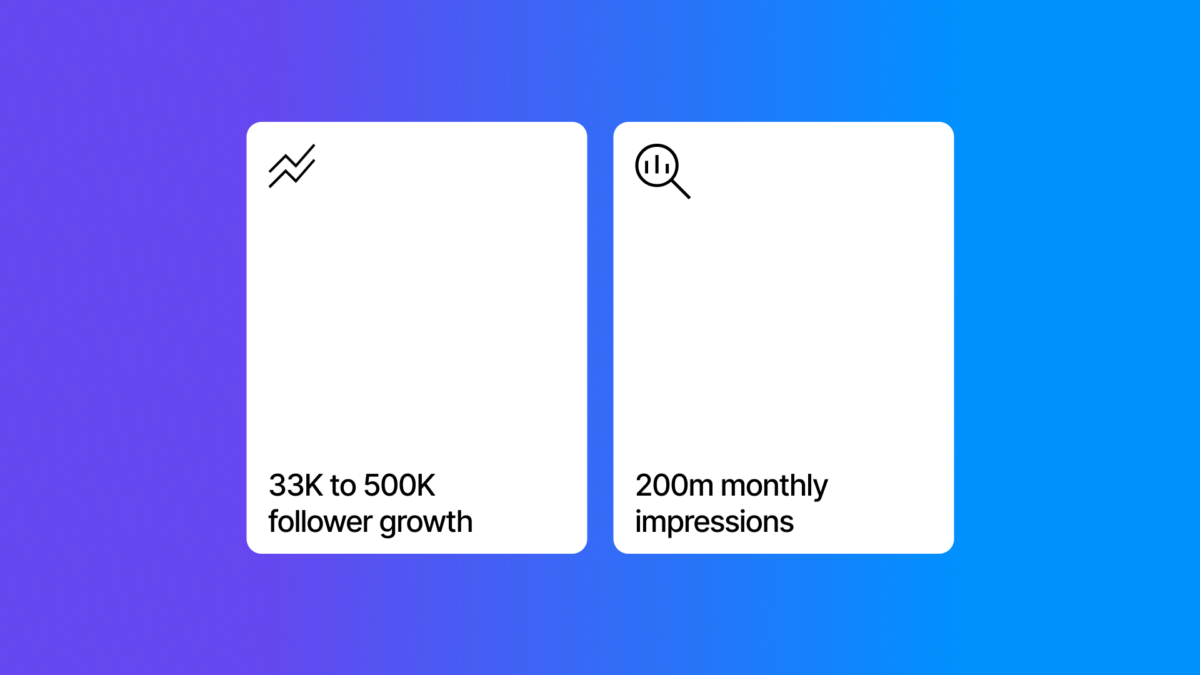
ClickUp is the sharpest B2B example we found. Chris Cunningham, ClickUp’s Head of Social Marketing, didn’t try to make productivity software interesting. He built a comedy account instead. @clickupcomedy is a deliberate, slightly odd bet from a project management tool, and it worked: the brand’s following went from 33,000 to nearly half a million, and the content engine now pulls 200 million impressions a month. The lesson isn’t to be funny – ClickUp decided, on purpose, to run its social like a media company rather than a software vendor, and built the org structure to back that decision up.
Canva earns its spot for a less flashy reason. Its product and its content strategy are the same thing: every tutorial is also a demo, every “did you know you could do this” post sells the tool while it teaches. They’ve got a structural advantage almost nobody else on this list has, which matters more now that Canva is leaning further into AI-driven creative tools, shifting the story from “design platform” to something closer to an AI-assisted creative partner. The interesting question for any brand watching this isn’t whether Canva’s content is good, it’s whether your product could ever do this much of the talking for you.
Aldi UK has spent years building social equity through wit rather than discount messaging. The ongoing, deadpan rivalry with M&S and a consistent willingness to take the piss out of itself have made Aldi one of the few grocery brands people actually want to see post. It’s a reminder that humour, used consistently over years rather than as a one-off campaign, becomes a brand asset in its own right.
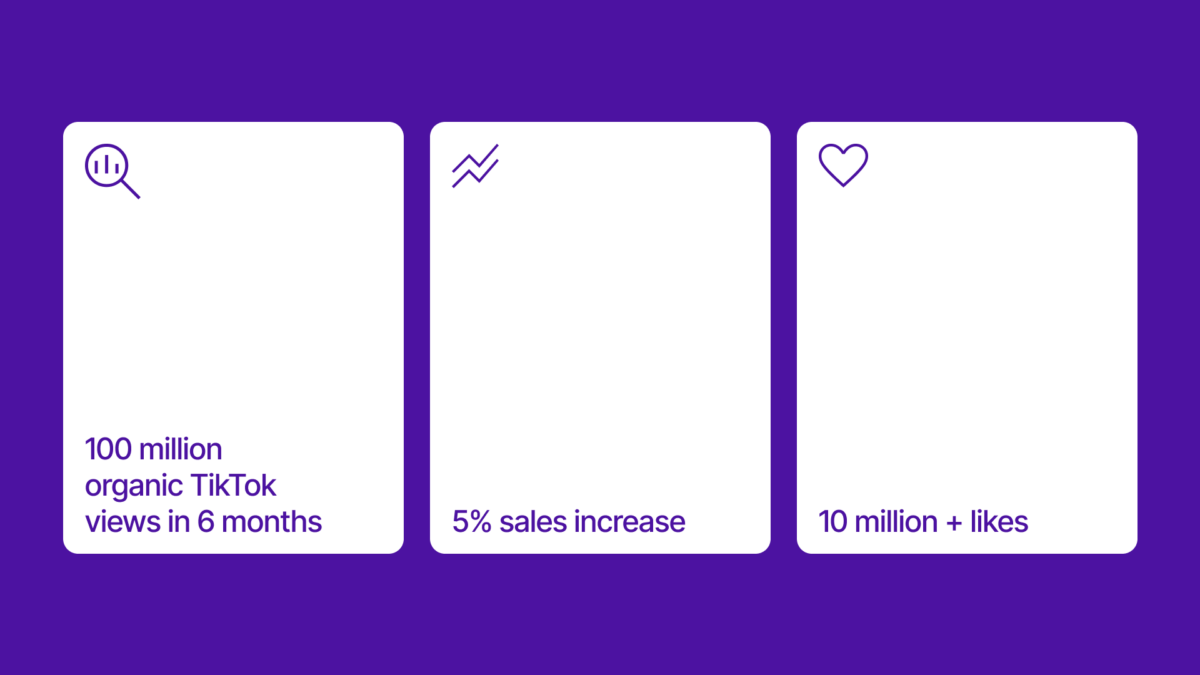
Currys took one of the most famously boring retail categories and turned it into one of the UK’s biggest TikTok stories, off the back of staff-led sketch comedy. Real employees, purple shirts and all, leaning hard into Gen Z humour. It drove 100 million organic views in six months, a 5% sales increase, and the account has since passed 10 million likes. None of it would work with actors. The appeal is that it’s obviously, recognisably staff. People who actually work the shop floor, doing bits in their own store.
Brita is the one that surprised us most. The TikTok account runs on recurring characters. A dancing shark, a deadpan robot called Brita Bot, built around deliberately absurd, lo-fi, meme-literate humour, complete with original songs. It’s not an accident: Harris Poll credited Brita as the fastest-growing home-care brand in early 2023 off the back of it, and the tone has held steady for years since. What’s interesting is what happens on Instagram, where the same brand runs a noticeably calmer, more product-led account. Brita isn’t being inconsistent. It’s decided that TikTok rewards chaos and Instagram rewards clarity, and it’s written two different scripts to match. Most brands try to find one voice and stretch it across every platform. Brita worked out that the platform should decide the voice, not the other way round.
Eight different brands, and eight different reasons it’s working. If there’s a thread running through all of them, it’s that none of them are guessing. Wonderskin knew when to step off the platform. Manors knew when to undo its own polish. ClickUp knew it needed a comedy account, not a better caption. Brita knew its TikTok voice wouldn’t work on Instagram.
The brands worth watching are the ones who’ve worked out, specifically, what their platform and their audience actually want from them.